
Buying and Selling Homes During Active Wildfire Events
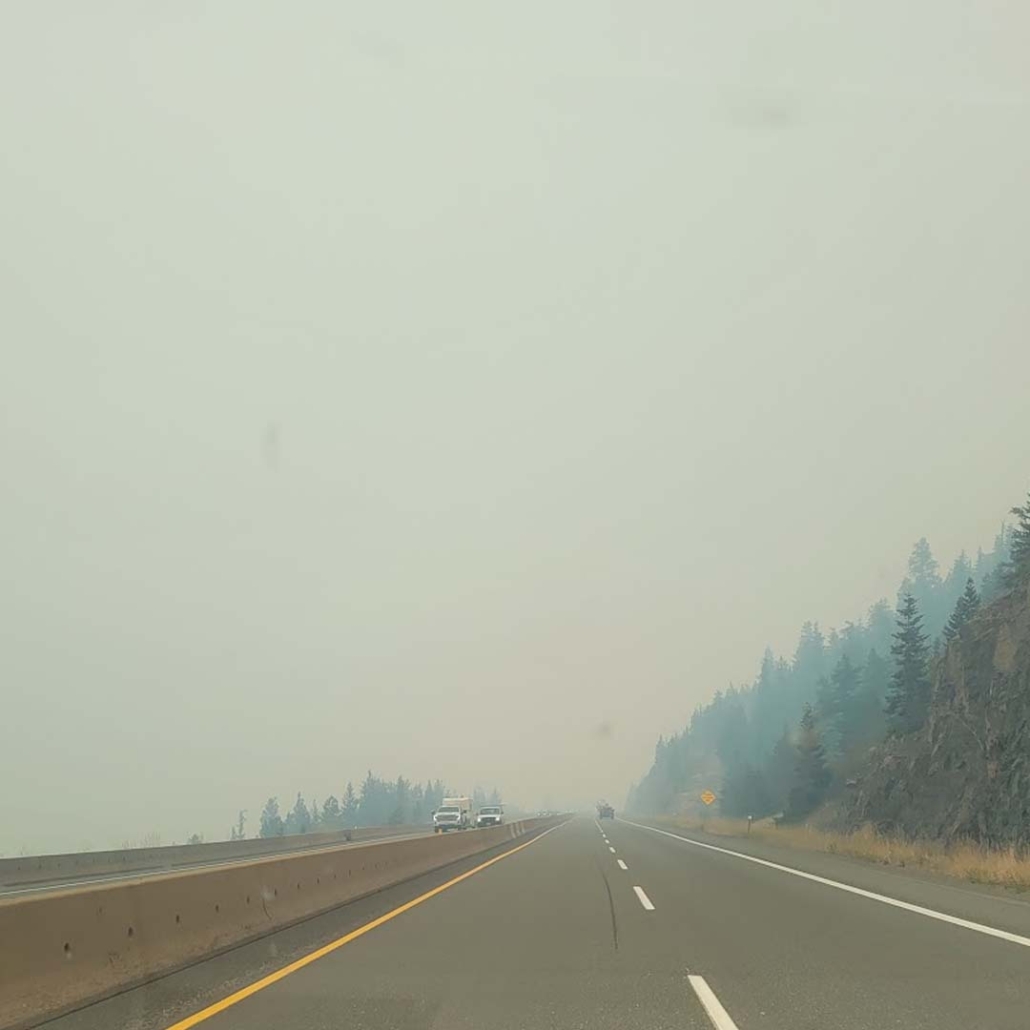
Part of the Hilbert & Crick Wildfire Real Estate Resource Centre
Last Updated: August 2026
When a wildfire threatens a community, buying or selling a home is probably the last thing most people expect to be dealing with.
Unfortunately, life doesn’t always wait.
Job transfers still happen. Retirement plans move forward. Families still need more space, downsizers are still preparing for their next chapter, and accepted offers continue moving toward completion. For many buyers and sellers, a wildfire becomes an unexpected complication in an already emotional process.
The good news is that most real estate transactions continue successfully during wildfire season.
The key is understanding what can change, what remains the same, and how to prepare if your transaction is affected.
This guide explains what buyers and sellers should know when purchasing or selling a home during an active wildfire event in British Columbia.
Buying and Selling Homes During Active Wildfire Events
Real Questions We’re Hearing From Buyers and Sellers Across the Okanagan
Wildfires don’t stop life. They don’t stop contracts. They don’t stop possession dates.
But they do create questions that most people have never had to ask before.
Below are some of the most common situations buyers and sellers are facing during the current wildfire season.
Scenario 1
My offer was accepted yesterday. Today the home is under an Evacuation Order. What happens now?
This is probably the number one question buyers ask.
The first thing to understand is that an evacuation order does not automatically cancel your Contract of Purchase and Sale.
However, it may affect:
- inspections
- appraisals
- financing
- insurance
- access
- moving dates
- final walkthroughs
Your REALTOR®, lawyer, lender and insurance company should all be contacted immediately.
In many situations the transaction can still proceed, but the path forward depends on the circumstances surrounding the property and the contract itself. Read more about the New Wildfire Clause introduced by BCFSA here.
Scenario 2
I just paid my deposit and now the home has burned down. Do I lose my money?
This is every buyer’s nightmare.
The answer depends on several factors, including:
- when the damage occurred
- the terms of your Contract of Purchase and Sale
- insurance
- legal advice
Do not assume your deposit is automatically lost or automatically returned.
Instead:
- Call your REALTOR®.
- Contact your lawyer immediately.
- Notify your lender.
- Speak with your insurer.
Every situation is different, and this is one of those circumstances where legal advice is essential.
Scenario 3
I’m the seller. My home is now under an Evacuation Order. Can I cancel the sale?
Usually, no.
An accepted offer is a legally binding contract.
An evacuation order does not automatically give either party the right to walk away.
However, if access, insurance, financing, or property damage becomes an issue, your REALTOR® and lawyer can help determine what options are available.
Scenario 4
We were supposed to remove conditions tomorrow, but no one can access the property.
This happens more often than people realize.
If:
- the home inspector can’t enter,
- the appraiser can’t inspect,
- the buyer can’t complete a walkthrough,
then it’s time to have a conversation before conditions are removed.
Never remove conditions if you don’t fully understand the situation.
Scenario 5
My insurance company won’t insure the property because of the wildfire. Can the deal still close?
This is one of the biggest issues in BC right now.
Many lenders require confirmation that a property is insured before they’ll release mortgage funds.
If insurance cannot be bound, mortgage funding may not proceed, which can put the transaction at risk. BCREA recommends buyers arrange insurance as early as possible—ideally before or alongside subject removal—and notes that insurers may not bind policies within a certain distance of an active wildfire.
Scenario 6
The house wasn’t damaged, but it’s covered in smoke. Should I still buy it?
Smoke damage and fire damage are not the same thing.
Questions worth asking include:
- Has the HVAC system been inspected?
- Were air filters replaced?
- Was professional remediation completed?
- Did smoke enter the attic?
- Were soft furnishings affected?
- Are there lingering odours?
Smoke may not be visible, but it’s still worth investigating before completing your purchase.
(We’ll cover this topic in detail in an upcoming guide.)
Scenario 7
I’m moving to Kelowna from another province. Should I delay my purchase?
Not necessarily.
Thousands of successful transactions occur throughout BC every wildfire season.
The important thing is understanding the specific property you’re buying rather than reacting to headlines about fires elsewhere in the province.
Scenario 8
Should I still list my home while wildfires are active?
Sometimes yes.
Sometimes no.
Questions to consider include:
- Is your neighbourhood affected?
- Can buyers safely access the property?
- Are photographs still representative?
- Will smoke significantly affect showings?
- Are buyers likely to obtain insurance?
Every property deserves an individual strategy. We suggest you reach out to us if you’re considering the sale of your home right now.
Official Resources You Should Bookmark
Rather than relying on social media or rumours, use trusted sources for up-to-date information:
- BC Wildfire Service Dashboard for active fires and wildfire status.
- EmergencyInfoBC for evacuation alerts and orders.
- PreparedBC for emergency planning resources.
- FireSmart BC for reducing wildfire risk around your home.
- Insurance Bureau of Canada for insurance information and claims guidance.
- BC Financial Services Authority for wildfire-related real estate advisories and optional contract clauses.
Our Advice
Wildfires create uncertainty and uncertainty often leads people to make rushed decisions.
Whether you’re buying your first home, selling a family property, or trying to navigate an accepted offer while your community is under evacuation, don’t assume your transaction is over, or that everything will proceed exactly as planned.
Ask questions. Talk to your REALTOR®. Contact your lawyer and speak with your lender and insurance provider early.
The sooner everyone understands the situation, the more options are usually available.
Please reach out to us if you have questions!










Leave a Reply
Want to join the discussion?Feel free to contribute!