
Buying and Selling Homes During Active Wildfires in British Columbia
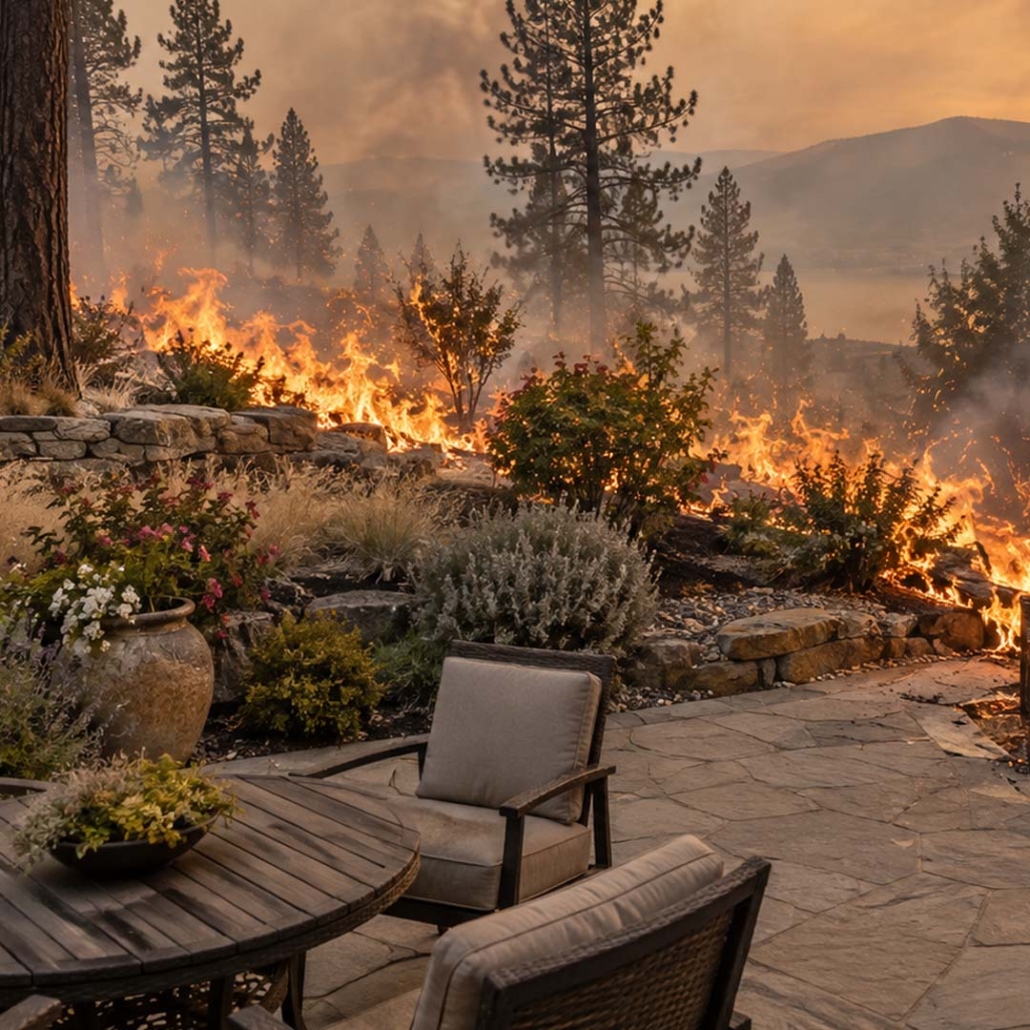
BC Wildfire Real Estate Transactions
An active wildfire can disrupt a BC real estate transaction very quickly. Insurance may become unavailable, inspections or appraisals may be postponed, roads may close, and an evacuation order may prevent access to the property. None of those events automatically cancels a Contract of Purchase and Sale or changes its completion date.
That is the most important thing buyers and sellers need to understand.
Once a contract becomes firm, both parties remain responsible for meeting its terms unless the contract itself provides another outcome or the parties reach a written agreement. If a wildfire begins threatening a property during a transaction, waiting to see what happens can put the buyer’s deposit, the seller’s sale and any connected purchase at risk.
This guide explains what buyers and sellers in British Columbia need to verify, whom they need to contact and where to find current official information.
This article provides general information, not legal, insurance or financial advice. The wording of the Contract of Purchase and Sale and the facts affecting the individual property will determine the parties’ rights and obligations. Obtain advice from the appropriate professional as soon as a transaction may be affected.
First Confirm the Property’s Current Status
Do not rely on neighbourhood posts, screenshots or general wildfire maps to determine whether a property is subject to an evacuation alert or order.
Use these official resources:
- EmergencyMapBC lets you search for current evacuation alerts and evacuation orders by address or location.
- The BC Wildfire Service dashboard provides current wildfire locations, status and related information.
- DriveBC provides current highway closures, travel restrictions and road conditions.
- The website and official social accounts of the applicable local government or First Nation provide local instructions, maps, reception-centre information and updates.
An evacuation alert means people in the affected area must be prepared to leave if conditions worsen. An evacuation order means people must leave immediately and follow the directions of the issuing authority. An order can prevent buyers, sellers, inspectors, appraisers, movers and real estate professionals from accessing the property.
An evacuation order does not, by itself, rewrite a real estate contract or postpone closing. Any change to contractual dates must come from an applicable term already in the contract or a written agreement between the parties. Buyers and sellers should contact their REALTOR® and legal representative immediately.
Related Resource: Real Questions We’re Hearing From Buyers and Sellers Across the Okanagan
If You Are Still Looking at Homes
Buyers considering a property near an active wildfire should check more than whether the home can be viewed that day.
Before writing an offer:
- Search the property’s address on EmergencyMapBC.
- Review the BC Wildfire Service dashboard and the applicable local authority’s updates.
- Contact an insurance broker and ask whether the property can currently be insured for fire loss.
- Speak with the mortgage lender or broker about its insurance requirements.
- Discuss an insurance condition and the optional wildfire clause with the REALTOR® preparing the offer.
- Obtain legal advice if the property or transaction is already exposed to a specific wildfire threat.
A buyer should not assume that a property is insurable merely because it is not under an evacuation alert. Insurers make their own underwriting decisions and may restrict new coverage based on the location and proximity of a threat.
If You Have an Accepted Offer With Conditions During BC Wildfire Real Estate Transactions
This is the point at which buyers have the greatest opportunity to protect themselves.
Most mortgage lenders require proof of acceptable property insurance before advancing mortgage funds. A buyer who removes financing or insurance conditions without confirming suitable coverage may still be obligated to complete even if insurance later becomes difficult or impossible to arrange.
A quote is not the same as bound coverage
An insurance quote describes proposed pricing and coverage. It does not necessarily mean the insurer has committed to putting the policy into force on the completion date.
The buyer should ask the insurance broker or insurer, in writing:
- Has coverage been approved and bound for the property?
- On what date and time will the policy take effect?
- Does the policy include fire coverage acceptable to the lender?
- Can the insurer withdraw or revoke the commitment if wildfire conditions change?
- Is any further inspection, document or payment required?
Buyers should provide the confirmation to their lender or mortgage broker and verify that the lender is satisfied before removing the relevant conditions.
If You Have Already Removed Conditions During BC Wildfire Real Estate Transactions
Once all buyer conditions have been removed, the transaction is generally firm and binding. A nearby wildfire, evacuation alert, inability to access the home or later difficulty obtaining insurance does not automatically give the buyer the right to cancel.
The buyer should immediately:
- Contact the insurance broker and confirm whether coverage remains bound.
- Contact the lender or mortgage broker and confirm whether financing will still be advanced.
- Notify the REALTOR® in writing of any insurance, financing or access issue.
- Ask the REALTOR® for a complete copy of the signed contract and all addenda.
- Contact the lawyer or notary handling the conveyance for advice about the contract and available options.
- Keep a written record of every call, email, application and response.
Do not assume that missing the completion date will simply result in a short delay. Failure to complete a firm contract can expose a buyer to loss of the deposit and potentially additional damages. The consequences depend on the contract and circumstances, which is why immediate legal advice matters.
What the BC Wildfire Clause Actually Does
The BC Financial Services Authority provides an optional wildfire clause for use in a Contract of Purchase and Sale. It is not automatically included in every contract.
When the clause is included in the signed contract, it can provide one extension of the completion, adjustment and possession dates if a wildfire prevents the buyer from obtaining property insurance with fire coverage. The BCFSA standard wording provides an extension to 30 days after the original dates, although parties may agree to different wording.
The clause is not a general escape clause. According to BCFSA:
- It applies to a wildfire threat that prevents the buyer from obtaining fire insurance.
- It does not automatically release the buyer from the contract.
- The buyer must be able to demonstrate best efforts to obtain insurance.
- Waiting until the last minute to seek insurance may not meet that standard.
- It does not address physical damage to the property.
- It does not apply to unrelated natural-catastrophe events such as flooding.
If the buyer obtains insurance during the extension, the seller may have the option, depending on the clause used, to accelerate completion to five business days after notice is provided.
Buyers should save a log of insurers and brokers contacted, the dates and times of the attempts, written responses, declined applications and any coverage offered. Whether expensive or restricted coverage is considered commercially reasonable will depend on the circumstances and may require independent professional advice.
Review BCFSA’s official explanation of the wildfire clause.
What Happens When Insurance Becomes Unavailable
The buyer should not wait for the insurer, lender and real estate professionals to communicate with one another. Contact each party directly.
Contact the insurance broker
Ask whether coverage is bound, whether the decision is final and whether another insurer may consider the property. Request written confirmation of every refusal or restriction.
The buyer can also ask whether the seller’s insurer will consider an incumbent-stay-on-risk arrangement. Under this approach, the existing insurer may be willing to temporarily reissue coverage in the buyer’s name. This is not guaranteed and must be discussed directly with the insurer.
Contact the lender
Ask whether the lender will advance funds without the expected insurance confirmation. In most mortgaged purchases, acceptable fire insurance is a funding requirement. If completion may be extended, also confirm whether the mortgage approval and interest-rate hold will remain valid.
Contact the REALTOR®
The REALTOR® can review the contract for an insurance condition or wildfire clause, communicate with the other party and help prepare a written amendment when both parties agree to change dates. A REALTOR® cannot provide the insurer’s approval, guarantee mortgage funding or determine the parties’ legal rights.
Contact the lawyer or notary
The legal representative should review the exact contract and advise on the buyer’s or seller’s obligations. If the parties are considering an extension, cancellation, price adjustment or another negotiated solution, it should be documented correctly in writing.
Can an Inspection or Appraisal Still Take Place During BC Wildfire Real Estate Transactions
It depends on whether the professional can legally and safely access the property.
An evacuation alert does not necessarily prohibit access. However, an inspector, appraiser, photographer or contractor may decline or postpone an appointment because of fire behaviour, smoke, road access or workplace-safety concerns.
An evacuation order requires people to leave the affected area. Buyers and their representatives should not enter an ordered area to complete a viewing, inspection or appraisal unless access has been expressly authorized by the responsible authority.
If an appointment cannot be completed before a contractual deadline, the deadline does not automatically move. The buyer’s REALTOR® should address the issue before the deadline and seek written instructions. Any extension requires agreement unless the existing contract already provides one.
What Happens to Completion and Possession during BC Wildfire Real Estate Transactions
Completion and possession are different events.
Completion is the legal transfer of title and funds. Possession is when the buyer is entitled to occupy the property. An evacuation order can make physical possession impossible even if the legal and financial steps required for completion can still occur.
The parties should not assume that an evacuation order automatically stops either event. Their legal representatives must determine whether completion can proceed under the contract. The parties may need a written amendment dealing with completion, possession, keys, the seller’s belongings, adjustments, insurance and risk during any gap between dates.
Sellers who are relying on sale proceeds to complete another purchase should also contact their lender and legal representative immediately. A delay in one transaction can affect bridge financing and every connected completion.
What Happens if the Property Is Damaged Before Closing
Physical damage is different from an insurance-availability problem.
The optional wildfire clause addresses a buyer’s inability to obtain fire insurance. It does not determine what happens when the property itself is damaged.
The standard Contract of Purchase and Sale contains provisions addressing risk and damage before completion, but the outcome is not as simple as assuming the buyer can cancel. The extent of the damage, the wording of the signed contract, the effect on the property’s use and value, available insurance and the parties’ conduct can all matter.
If either party learns that the property may have been damaged:
- Notify the REALTOR® and legal representative immediately.
- Do not enter an evacuation area without authorization.
- Ask whether and when the property can be reinspected.
- Preserve photographs, notices, reports and communications.
- Do not agree verbally to cancel, extend or change the price.
- Obtain legal advice before signing an amendment or taking a position on completion.
Depending on the facts and legal rights, possible outcomes may include completion with an adjusted price, an extension while damage is assessed, restoration arrangements or termination. No single outcome applies to every damaged property.
What Sellers Need to Do during BC Wildfire Real Estate Transactions
Sellers should keep their existing property insurance in force until completion has occurred and the sale proceeds have been received. Cancelling early can leave the seller exposed if completion is delayed or the transaction fails.
During an active wildfire, sellers should:
- Confirm that the insurer has current contact information.
- Review the policy’s wildfire coverage, deductibles, limits and additional-living-expense coverage.
- Tell the REALTOR® immediately about an evacuation alert, evacuation order, known damage, access restriction or insurance claim affecting the property.
- Preserve official notices and all insurer communications.
- Follow lawful evacuation instructions and never remain solely to facilitate a real estate transaction.
- Contact the lawyer or notary if completion, possession or another connected purchase may be affected.
Sellers should also avoid making assurances about a property’s condition when access has been restricted. If the condition is unknown, say that it has not yet been verified.
What Buyers Need to Do during BC Wildfire Real Estate Transactions
Buyers should:
- Check the exact property address through EmergencyMapBC.
- Confirm bound fire insurance in writing as early as possible.
- Confirm that the lender accepts the insurance and remains prepared to fund.
- Discuss insurance and wildfire clauses before signing or removing conditions.
- Retain proof of all efforts to obtain insurance.
- Monitor contractual deadlines instead of assuming they will be extended.
- Arrange a reinspection when there is reason to believe the property’s condition may have changed.
- Obtain legal advice immediately if insurance, access, damage or completion becomes uncertain.
Who to Contact and What They Can Confirm
| Contact | What they can confirm |
|---|---|
| Local government or First Nation | Whether an evacuation alert or order applies and what access is permitted |
| Insurance broker or insurer | Whether coverage is approved, bound, restricted, revocable or unavailable |
| Mortgage lender or broker | Whether financing remains approved and what is required before funds are released |
| REALTOR® | Contract dates and clauses, communication with the other party and potential amendments for consideration |
| Lawyer or notary | Legal obligations, remedies, risks and how an amendment or other agreement should be documented |
| Home inspector or appraiser | Whether the appointment can proceed and whether a new inspection or appraisal is required |
Official Resources
- EmergencyInfoBC and EmergencyMapBC
- BC Wildfire Service dashboard
- DriveBC
- Emergency Support Services
- BCFSA consumer guidance for wildfire real estate transactions
- BCFSA wildfire clause guidance
- BCREA insurance tips for wildfire season
The Most Important Takeaway
An active wildfire can affect insurance, financing, property access, inspections, completion and possession. It does not automatically cancel a firm contract or change its dates.
Buyers should secure bound insurance early and verify that their lender is satisfied. Sellers should maintain their existing insurance until completion is confirmed and the proceeds have been received. Both parties should act before a deadline is missed and obtain legal advice when a wildfire affects access, insurance, property condition or the ability to complete.
Hilbert & Crick Real Estate works with buyers and sellers throughout Kelowna and the Central Okanagan. If wildfire activity may affect your current or planned real estate transaction, contact Hilbert & Crick Real Estate so the right questions can be identified early and directed to the appropriate professionals.
Frequently Asked Questions
Does an evacuation order automatically delay a home closing in BC?
No. An evacuation order does not automatically amend a Contract of Purchase and Sale. Completion or possession dates change only when the contract already provides for it or the parties enter into a written agreement. Contact your REALTOR® and legal representative immediately.
Can a buyer cancel because home insurance becomes unavailable?
Not automatically. The result depends on the conditions and clauses in the signed contract. BCFSA’s optional wildfire clause may provide an extension when it is included and its requirements are met, but it does not automatically release the buyer from the purchase.
Is an insurance quote enough to remove conditions?
A quote may not be a binding commitment to insure the property. Buyers should ask whether coverage has been approved and bound for the completion date, whether fire coverage is included and whether the commitment can be withdrawn if conditions change.
Can a mortgage still fund without fire insurance?
Mortgage lenders commonly require acceptable property insurance before advancing funds. The buyer must confirm the lender’s requirements directly. If the insurance commitment changes, contact the lender or mortgage broker immediately.
Can buyers enter a property under an evacuation order for an inspection?
They should not enter an evacuation-order area unless access has been expressly authorized by the responsible authority. An inspection condition or deadline is not automatically extended, so the issue must be addressed before the deadline.
What if a home is damaged by wildfire before completion?
Notify the REALTOR® and legal representative immediately and arrange a reinspection when lawful and safe. The optional wildfire clause does not address property damage. The signed contract, extent of damage, insurance and applicable legal rights will determine the available options.
Should a seller cancel home insurance on the completion date?
Sellers should maintain their existing coverage until completion is confirmed and they have received the sale proceeds. Cancelling early could leave the property uninsured if the transaction is delayed or does not complete.










Leave a Reply
Want to join the discussion?Feel free to contribute!