
How Government Policy Is Reshaping Kelowna Real Estate (And What Homeowners Should Know)
Real estate markets respond to supply and demand.
But supply and demand are increasingly shaped by government policy.
This week, a local news report by Wayne Moore highlighted a major development: the City of Kelowna could see up to 2,100 short-term rental units return to the market if provincial restrictions are lifted early.
That single policy decision has the potential to shift investor behaviour, rental inventory, and even resale values across the city.
Policy does not exist in a vacuum. It directly affects property value.
Here’s what’s happening and what it means for you.
1. BC Short-Term Rental Regulations and Who They Affect
Under provincial legislation introduced in 2024, short-term rentals were largely restricted to an owner’s principal residence. That dramatically reduced investor-owned Airbnb-style inventory in Kelowna.
However, Kelowna has now met the required rental vacancy rate threshold of over three percent for two consecutive years. That makes the city eligible for release from the principal residence restriction, currently scheduled for November 1.
City officials are lobbying the Province for an earlier release to support major events coming this spring and summer, including:

- The Memorial Cup
- Two BC Lions games
- The BC Summer Games
- The Vancouver Bandits, Kelowna Hoopfest
Sixteen properties have already applied for a short-term rental subzone. These include high-profile buildings such as:
- Waterscapes
- Discovery Bay Resort
- Sunset Waterfront Resort
- Playa Del Sol
- Caban
Together, these buildings represent more than 2,100 potential units. Previously, only about 700 were licensed when short-term rentals were permitted.
If restrictions are lifted early, the market could see a meaningful shift.
What This Means
For Investors
Short-term rental eligibility may return to certain buildings. That changes revenue models, resale desirability, and pricing dynamics almost immediately.
For Condo Owners in These Buildings
Your unit’s potential income profile could expand again. That may affect valuation and buyer demand.
For Long-Term Rental Supply
If investors pivot back to short-term rentals, long-term rental inventory may tighten again.
Timing matters here. So does building-specific knowledge.
2. Kelowna Densification and Zoning Changes
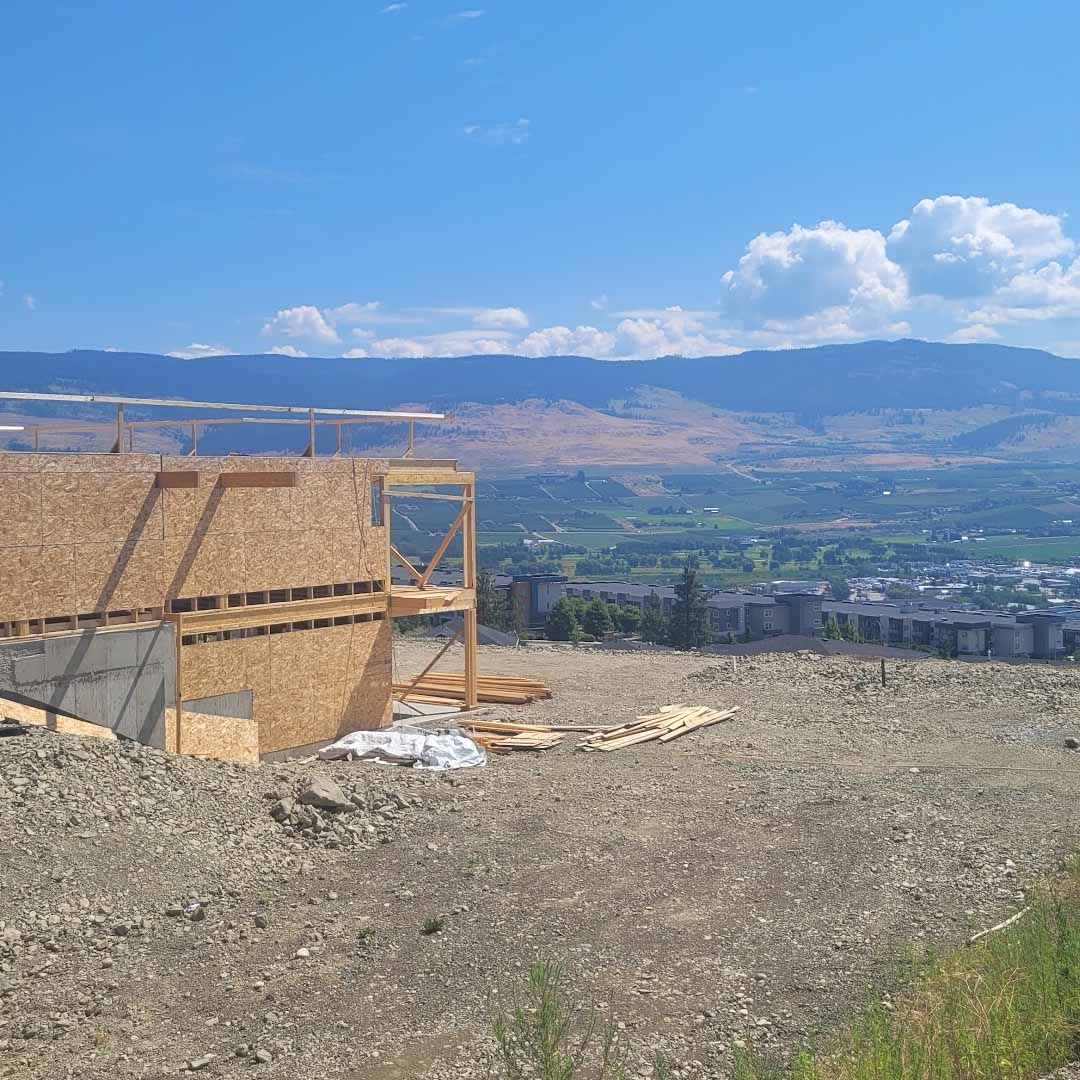
Separate from the short-term rental policy, Kelowna is also undergoing structural zoning reform.
Provincial housing legislation now requires municipalities to allow small-scale multi-unit housing on many single-family lots. In practical terms, that means up to four units may now be permitted where one previously stood.
For homeowners, this is not theoretical.
It affects:
- Land value
- Redevelopment potential
- Lot assembly discussions
- Tax implications
- Long-term neighbourhood character
Some properties are now worth more because of what can be built, not what currently exists.
Understanding that difference is critical when listing or purchasing.
3. Immigration Targets and Housing Demand
At the national level, immigration policy continues to influence housing demand across Canada.
Even with moderated targets in recent announcements, Canada remains committed to population growth as an economic driver.
Kelowna benefits from:
- Interprovincial migration from larger urban centres
- International newcomers seeking lifestyle communities
- Retirees and remote professionals
When the population increases, housing pressure follows. When rental supply tightens, ownership demand rises.
The relationship is consistent over time.
4. What These Changes Mean for You
Homeowners
Your property value may now be influenced by:
- Whether your building regains short-term rental eligibility
- Zoning flexibility on your lot
- Event-driven tourism demand
- Provincial policy direction
Pricing today requires more than reviewing comparable sales on the MLS® System. It requires understanding regulatory trajectory.
Investors
Investment strategy must now account for:
- Building-specific short-term rental status
- Provincial legislation timelines
- Municipal subzone approvals
- Vacancy rate trends
A property that was unattractive twelve months ago may become desirable again. The reverse is also true.
First-Time Buyers
Policy shifts can create opportunity.
- Some investors may sell units if uncertainty remains.
- Some buildings may experience renewed competition if short-term rentals reopen.
- Some neighbourhoods may offer new multi-unit configurations.
Clarity creates confidence.
Why Informed Guidance Matters More Than Ever
Most real estate professionals focus on marketing. Few consistently interpret policy.
Yet today, regulation is shaping value as much as supply and demand.
Dallas and Becky believe professional representation means understanding:
- Provincial legislation
- Municipal zoning shifts
- Rental market data
- Building-level approvals
This is to avoid speculation and to operate from a place of informed positioning.
If you are wondering how these regulatory changes affect your property, investment strategy, or purchase timeline, this is the moment to have that conversation.
Because policy does not sit on paper.
It moves markets.
Get in touch with us today if you want to learn more about investment properties and the latest changes in government affecting real estate for sale in Kelowna!
Frequently Asked Questions
1. Will short-term rentals return fully in Kelowna?
Not automatically. The province must formally release Kelowna from principal residence restrictions. Even then, buildings must receive proper subzone approval and individual owners must obtain licences.
2. Should I buy in a building applying for a short-term rental subzone?
It depends on your goals. Income-focused buyers may benefit if approvals are granted. End-users may prefer buildings without short-term rental activity. Strategy should align with lifestyle and financial objectives.
3. Do zoning changes increase my property value?
In some cases, yes. If your lot now allows multiple units, its development potential may increase. However, value depends on location, servicing, and market demand.
4. Could rental supply tighten again?
If a significant number of units return to short-term rental use, long-term rental inventory may decline. That could place upward pressure on rents.
5. Is now a risky time to buy?
It is a complex time, not necessarily a risky one. Complexity rewards informed decision-making. Buyers and sellers who understand policy shifts are better positioned than those reacting to headlines.











Leave a Reply
Want to join the discussion?Feel free to contribute!