
The Kelowna Real Estate Market in 2026: What the Numbers Say vs. What Buyers Are Feeling

Understanding the market is more important than timing it. Headlines often make real estate feel emotional.
One month, it’s “prices are rising again.”
Next, it’s “buyers are waiting.”
Then suddenly it’s “multiple offers are back” – followed closely by “sales are slowing.”
In reality, the Kelowna real estate market in 2026 is not defined by a single narrative. It’s defined by a disconnect between statistics and sentiment. The numbers tell one story. Buyer and seller behaviour tells another.
Bridging that gap, calmly, analytically, and locally is where professional guidance matters most.
A Market of Choice, Not Urgency
Kelowna is no longer a market driven by panic buying or forced selling. Most participants in 2026 are acting deliberately. Buyers are cautious, informed, and payment-sensitive. Sellers are motivated, but not desperate.
This creates a negotiation-driven market rather than a momentum-driven one.
Homes that are:
- Priced accurately
- Well prepared
- Strategically marketed
Continue to sell. Homes that rely on optimism or outdated benchmarks tend to sit. This is a market where precision matters more than speed.
Current Kelowna Inventory & Absorption (In Plain Language)
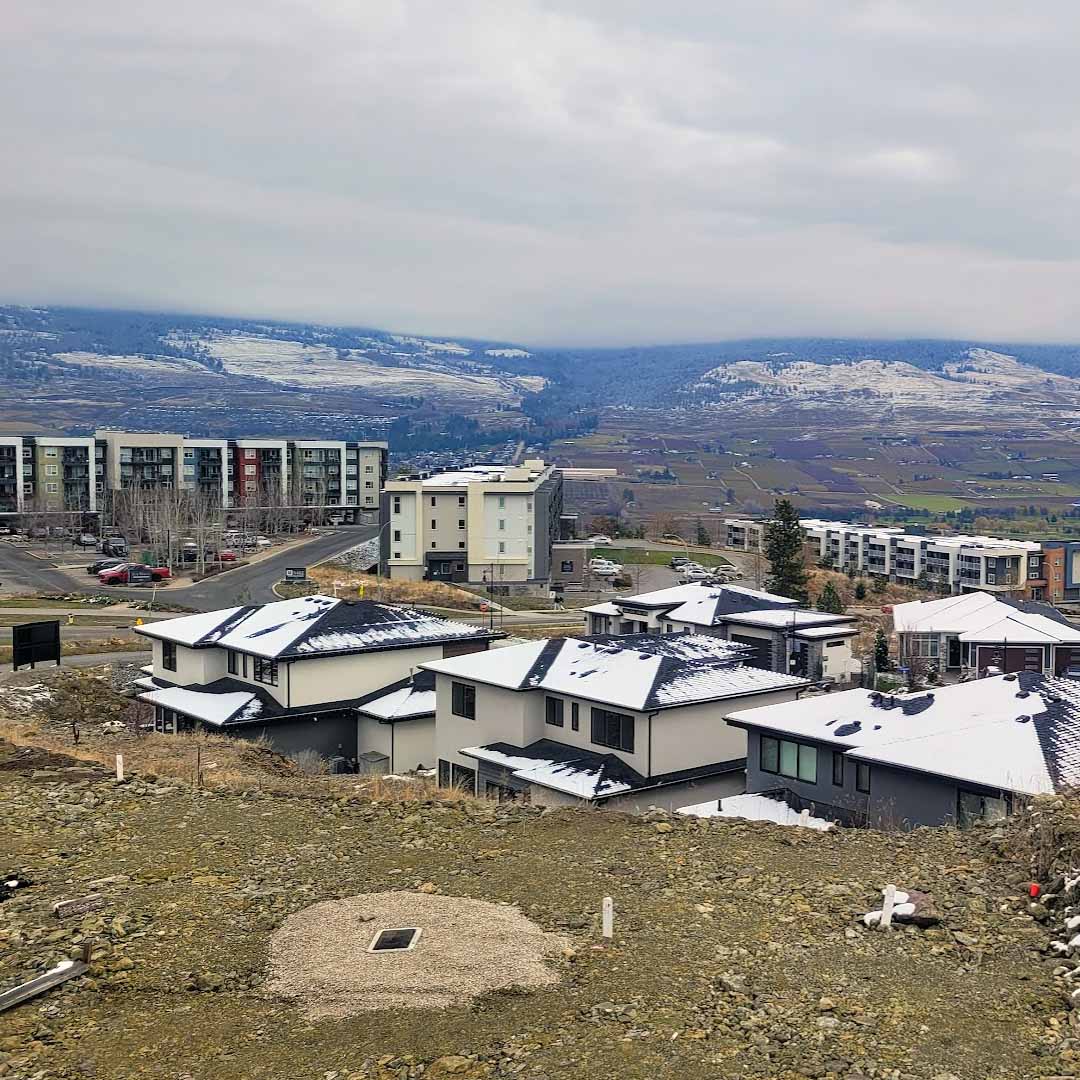
Two metrics tell us more than almost anything else:
Inventory – How many homes are available
Absorption Rate – How quickly those homes are selling
When inventory rises, but absorption remains stable, it signals balance.
When inventory rises and absorption falls, it signals increasing buyer leverage.
In early 2026, Kelowna is experiencing:
- More active listings than the pandemic-era lows
- A slower pace of monthly sales than 2021–2022
- But consistent transaction volume in well-priced segments
In simple terms:
There is selection.
There is activity.
There is not urgency.
This is characteristic of a healthy, functional market. Not a crash, and not a frenzy.
How Interest Rates & BC-Wide Trends Shape Local Behaviour
Kelowna does not operate in isolation.
Provincial and national trends influence:
- Mortgage qualification thresholds
- Buyer confidence
- Investor participation
- Move-up buyer timing
Higher-for-longer interest rates have shifted behaviour in predictable ways:
- Buyers focus more on the total monthly cost than the purchase price
- Fewer speculative purchases
- More long-term, lifestyle-driven decisions
At the same time, British Columbia continues to face:
- Long-term housing supply constraints
- Population growth through migration
- Strong lifestyle-driven relocation to interior markets
These forces place a supportive floor under demand, even when activity slows. The result is not a collapsing market. It’s a selective market.
What Buyers Are Feeling (And Why It’s Different From the Data)
Buyer psychology in 2026 is shaped by memory.
Many buyers remember:
- Ultra-low interest rates
- Rapid price acceleration
- Extreme competition
That era created a perception of what “normal” looks like. Today’s conditions feel uncomfortable by comparison, even though they are historically reasonable.
Common buyer sentiments:
- “Prices might come down more.”
- “I don’t want to overpay.”
- “Maybe I should wait.”
Yet transaction data continues to show:
- Well-priced homes selling
- Desirable neighbourhoods maintaining value
- Strong demand for quality properties
This disconnect is important. Waiting does not eliminate risk. It simply changes the type of risk.
Property Type Matters More Than Ever
Not all segments move together.
Condos
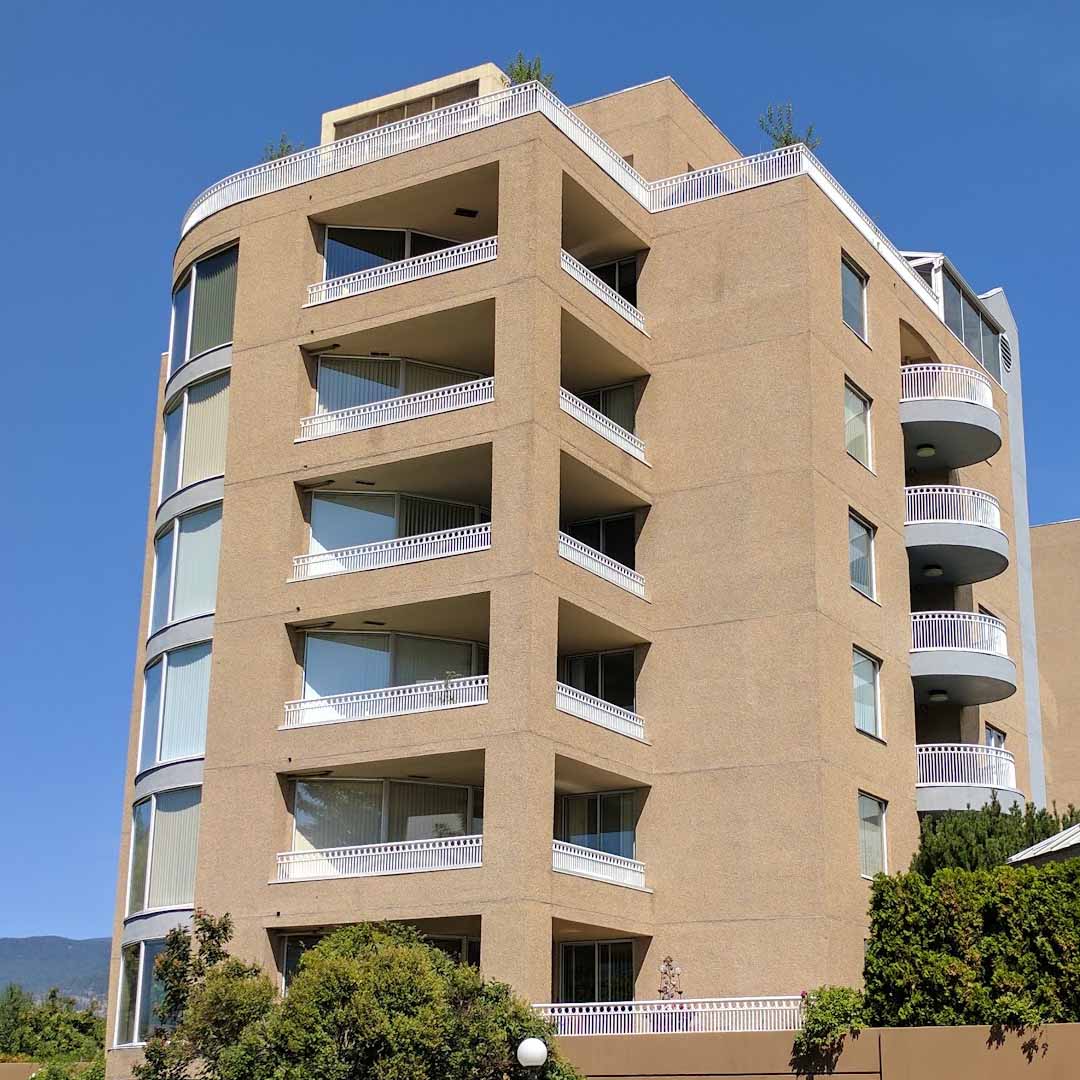
- More sensitive to interest rates
- Greater variance between buildings
- Pricing is heavily influenced by strata quality, fees, and location
Well-located, well-managed buildings perform significantly better than average.
Townhomes
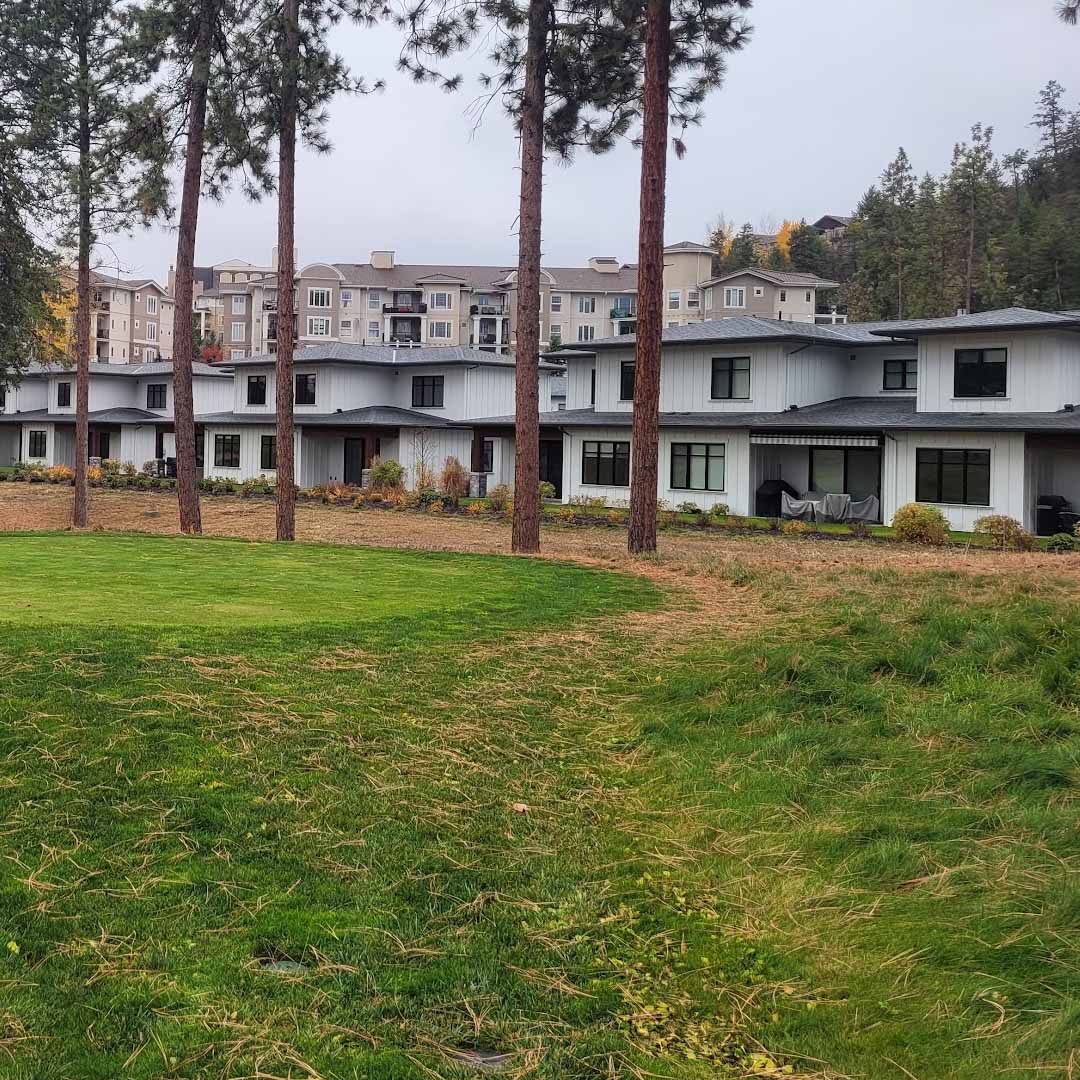
- Popular with first-time buyers and downsizers
- Often, the most active segment
- Highly price-sensitive
Accurate pricing is critical.
Detached Homes
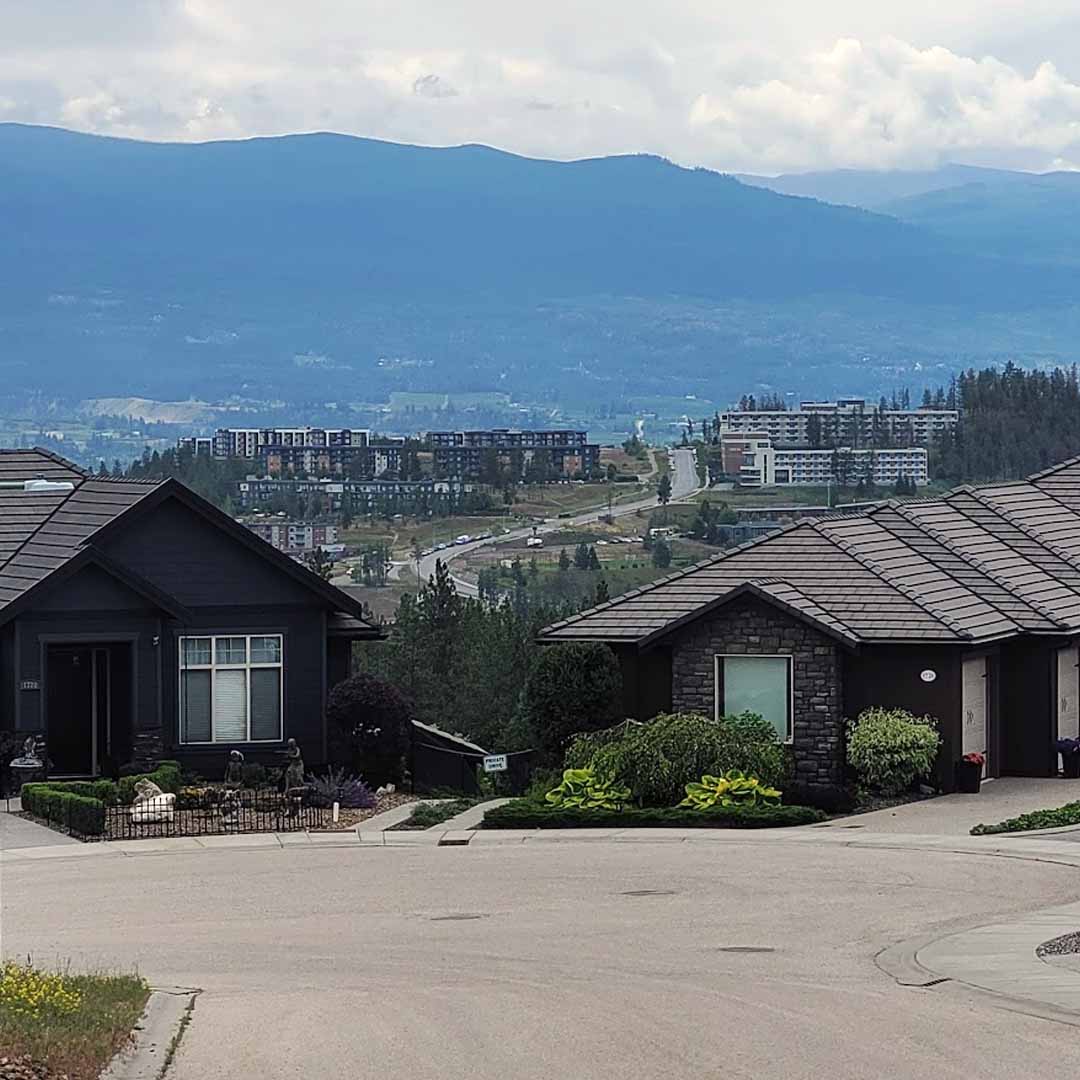
- Lifestyle and neighbourhood drive demand
- Lake views, school catchments, and lot quality remain strong value anchors
- The luxury segment moves more slowly but remains resilient when priced properly
Broad market averages hide these differences, so local interpretation matters.
Why “Timing the Market” Rarely Works
Media narratives imply that there is a perfect moment to buy or sell.
In practice, successful outcomes are driven by:
- Buying or selling for the right personal reasons
- Understanding local micro-markets
- Aligning price with real-time conditions
Most long-term equity is created through time in the market, not by timing the market.
What This Means for Buyers Right Now
- Selection is better than it has been in years
- Negotiation power exists
- Due diligence matters more than speed
Well-advised buyers can secure strong properties without competing blindly.
The opportunity is not in waiting for a headline. It’s in recognizing good value when it appears.
What This Means for Sellers Right Now
- Buyers are analytical
- Overpricing is punished quickly
- Preparation and presentation matter
Homes that launch correctly still generate strong results. Homes that “test the market” often end up chasing it.
The Role of Professional Guidance in 2026
In fast markets, almost any strategy can appear to work. In balanced markets, skill becomes visible.
Professional guidance today means:
- Interpreting neighbourhood-level data
- Understanding buyer psychology
- Creating pricing strategies based on reality, not hope
- Positioning properties to stand out
Understanding the market is more important than timing it.
The Kelowna real estate market in 2026 is stable, nuanced, and highly localized. It rewards informed decisions. Whether buying or selling, the most valuable advantage is not predicting the future. It’s understanding the present.
If you’re considering a move in 2026, we’re happy to walk you through what the numbers mean and what they don’t for your specific situation. Reach out to us today with your questions!











Leave a Reply
Want to join the discussion?Feel free to contribute!